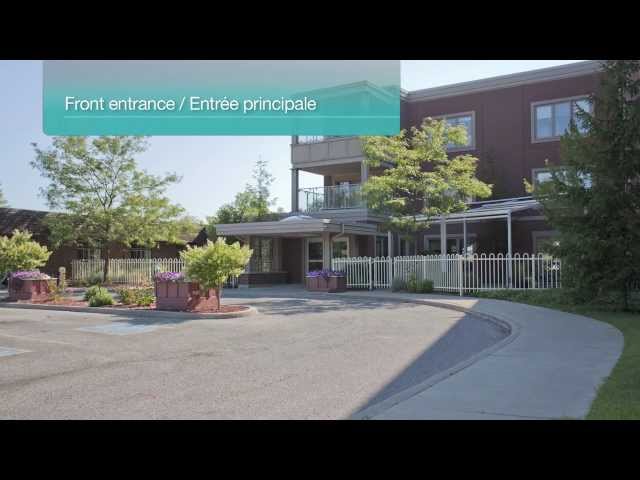
Visionary Care for the Elderly: A Comprehensive Look at Vision Nursing Homes
A vision nursing home, also known as a specialized skilled nursing facility, is a healthcare facility dedicated to providing comprehensive care for elderly individuals with complex medical needs and cognitive impairments. These specialized facilities offer a higher level of care than traditional nursing homes, focusing on individualized treatment plans and innovative approaches to promote overall well-being. A notable example is the renowned Mayo Clinic’s skilled nursing facility, recognized for its pioneering work in person-centered care and rehabilitation programs for seniors with dementia.
The growing prevalence of cognitive disorders like Alzheimer’s disease and dementia underscores the significance of vision nursing homes. These facilities provide specialized care that caters to the unique needs of elderly individuals, enhancing their quality of life and offering respite to caregivers. Historically, the concept of vision nursing homes emerged from a transformative shift towards person-centered care, recognizing the importance of treating seniors with dignity and respect.
This article delves into the world of vision nursing homes, exploring their relevance, benefits, and the historical developments that have shaped their approach to elderly care. We will also examine the challenges these facilities face, the role of technology in enhancing care, and the future of vision nursing homes in providing exceptional care for the elderly population.
Vision Nursing Home
Vision nursing homes are specialized facilities that provide comprehensive care for elderly individuals with complex medical needs and cognitive impairments. They offer a higher level of care than traditional nursing homes, emphasizing person-centered treatment plans and innovative approaches to promote overall well-being.
- Specialized Care: Tailored to meet the unique needs of elderly individuals with cognitive disorders.
- Person-Centered Approach: Focuses on treating seniors with dignity, respect, and individuality.
- Interdisciplinary Team: Comprises various healthcare professionals working together for holistic care.
- Individualized Treatment Plans: Developed for each resident, addressing their specific needs and preferences.
- Therapeutic Activities: Includes art, music, and physical therapy to promote engagement and well-being.
- Dementia Care Expertise: Specialized knowledge and training in caring for individuals with dementia and Alzheimer’s disease.
- Family Support Services: Provides education, counseling, and respite care for caregivers.
- Medication Management: Ensures proper administration and monitoring of medications.
- End-of-Life Care: Offers compassionate and supportive care during the final stages of life.
These key points underscore the significance of vision nursing homes in providing exceptional care for the elderly population. For instance, the person-centered approach adopted by these facilities recognizes the importance of treating seniors as individuals, preserving their dignity and autonomy. Additionally, the interdisciplinary team approach ensures a comprehensive and coordinated care plan that addresses the physical, emotional, and cognitive needs of each resident. These aspects contribute to the overall success and effectiveness of vision nursing homes in delivering high-quality care to elderly individuals with complex medical conditions.
Specialized Care
At the heart of vision nursing homes is the provision of specialized care that caters to the distinct requirements of elderly individuals with cognitive disorders. This specialized care encompasses a range of tailored services and interventions designed to address the physical, emotional, and cognitive challenges faced by this vulnerable population.
- Cognitive and Behavioral Care:
Specialized care includes interventions and therapies to address cognitive decline, memory loss, and challenging behaviors associated with dementia and Alzheimer’s disease.
- Medication Management:
Residents receive individualized medication plans, ensuring proper administration and monitoring of medications to manage symptoms and improve overall health.
- Activities of Daily Living (ADL) Assistance:
Vision nursing homes provide assistance with daily tasks like bathing, dressing, eating, and toileting, promoting independence and preserving dignity.
- Dementia-Friendly Environment:
These facilities create a safe and supportive environment that minimizes confusion and agitation, promoting a sense of familiarity and comfort for residents with cognitive impairments.
These specialized care components underscore the commitment of vision nursing homes to providing comprehensive and compassionate care for elderly individuals with cognitive disorders. By addressing the unique needs of this population, vision nursing homes aim to enhance quality of life, promote dignity, and provide respite and support for caregivers.
Person-Centered Approach
The person-centered approach is a fundamental principle guiding the philosophy and practices of vision nursing homes. It recognizes the inherent worth and individuality of each resident, emphasizing their unique needs, preferences, and life experiences.
This approach has a profound impact on the quality of care provided in vision nursing homes. By focusing on the whole person rather than just their medical condition, care providers can develop individualized treatment plans that promote dignity, respect, and autonomy. This leads to improved outcomes, higher satisfaction among residents and their families, and a more positive overall experience.
Key components of the person-centered approach in vision nursing homes include:
- Individualized Care Plans: Care plans are tailored to meet the specific needs, preferences, and goals of each resident.
- Respect for Autonomy: Residents are encouraged to make choices about their care and are treated with dignity and respect.
- Meaningful Activities: Activities that are meaningful to the resident are incorporated into their care plan to promote engagement and well-being.
- Family Involvement: Family members are encouraged to be involved in their loved one’s care and are treated as partners in the caregiving process.
Here’s an example of the person-centered approach in action: A vision nursing home resident named Mrs. Jones loves to paint. The staff learns about her passion and incorporates art therapy into her care plan. Art therapy helps Mrs. Jones express herself, engage with others, and improve her cognitive function. This person-centered approach enhances her quality of life and overall well-being.
Understanding the person-centered approach is crucial for anyone working in or interacting with vision nursing homes. It provides a framework for delivering high-quality care that respects the dignity and individuality of each resident. This approach leads to better outcomes, higher satisfaction, and a more positive experience for residents and their families.
Interdisciplinary Team
In the context of vision nursing homes, the interdisciplinary team approach is a vital component that enables the provision of comprehensive and holistic care to elderly individuals with complex medical needs and cognitive impairments. This collaborative model involves various healthcare professionals working together to assess, plan, and implement individualized care plans that address the physical, emotional, cognitive, and social needs of each resident.
Cause and Effect
The interdisciplinary team approach has a direct and positive impact on the quality of care provided in vision nursing homes. By combining the expertise and perspectives of different healthcare professionals, the team can develop more accurate diagnoses, create more effective treatment plans, and provide more comprehensive care. This leads to improved outcomes, higher satisfaction among residents and their families, and a more positive overall experience.
Components
The interdisciplinary team in a vision nursing home typically includes physicians, nurses, social workers, occupational therapists, physical therapists, speech therapists, dietitians, and psychologists. Each team member contributes their unique knowledge and skills to the care of the residents. The team works together to develop individualized care plans that address the specific needs of each resident, considering their medical condition, cognitive abilities, functional limitations, and personal preferences.
Examples
Here are a few examples of how the interdisciplinary team approach works in practice in a vision nursing home:
- A physician, nurse, and social worker meet to discuss the care plan for a resident with dementia. They consider the resident’s medical condition, cognitive abilities, and family situation. Together, they develop a plan that includes medication management, therapy, and social activities to address the resident’s needs.
- An occupational therapist and a physical therapist work together to develop a rehabilitation plan for a resident who has had a stroke. They assess the resident’s strengths and weaknesses and create a plan to help the resident regain as much function as possible.
- A speech therapist works with a resident who has difficulty swallowing. The therapist teaches the resident exercises to strengthen the muscles used for swallowing and provides strategies for eating and drinking safely.
Applications
The interdisciplinary team approach is essential for providing high-quality care in vision nursing homes. This approach allows healthcare professionals to pool their knowledge and skills to develop comprehensive and individualized care plans that address the unique needs of each resident. This leads to improved outcomes, higher satisfaction, and a more positive overall experience for residents and their families.
Summary
The interdisciplinary team approach is a key component of vision nursing homes. This collaborative model enables the provision of comprehensive and holistic care to elderly individuals with complex medical needs and cognitive impairments. By combining the expertise and perspectives of different healthcare professionals, the team can develop more accurate diagnoses, create more effective treatment plans, and provide more comprehensive care. This leads to improved outcomes, higher satisfaction, and a more positive overall experience for residents and their families.
Individualized Treatment Plans
In the context of vision nursing homes, individualized treatment plans are not merely an approach but a cornerstone of high-quality care. These plans are meticulously crafted to cater to the unique needs, preferences, and circumstances of each resident, ensuring a holistic and person-centered approach to care.
Cause and Effect: A Two-Way Street
Individualized treatment plans are both a cause and an effect of the vision nursing home model. On the one hand, the very essence of vision nursing homes demands such plans, as they prioritize the individual over the standardized. On the other hand, these plans directly contribute to the positive outcomes and high levels of satisfaction associated with vision nursing homes.
Components: An Essential Element
Individualized treatment plans are not just an add-on service in vision nursing homes; they are an integral part of the caregiving philosophy. These plans guide every aspect of a resident’s care, from medical interventions to social and recreational activities. They serve as a roadmap, ensuring that all care providers are working in concert to achieve the best possible outcomes for each individual.
Examples: Bringing it to Life
Here’s a glimpse into how individualized treatment plans play out in real-life scenarios within vision nursing homes:
- Mrs. Smith, a resident with Alzheimer’s disease, enjoys gardening. Her treatment plan includes regular horticultural therapy sessions, which have been shown to improve her mood, reduce agitation, and stimulate cognitive function.
- Mr. Jones, who suffered a stroke, has difficulty with fine motor skills. His treatment plan incorporates occupational therapy to help him regain as much independence as possible in his daily activities, such as eating and dressing.
- Ms. Patel, a resident with diabetes, loves Indian cuisine. Her treatment plan includes working with a dietitian to create a meal plan that accommodates her dietary needs while still allowing her to enjoy her favorite foods.
Applications: Beyond the Nursing Home Walls
The concept of individualized treatment plans is not limited to vision nursing homes. Its significance extends to various healthcare settings, including hospitals, rehabilitation centers, and home care agencies. The understanding that each patient or resident has unique needs and preferences is essential for delivering high-quality, person-centered care across the board.
Summary: A Foundation for Excellence
Individualized treatment plans are a cornerstone of vision nursing homes, representing a commitment to providing the highest level of care for elderly individuals with complex medical needs and cognitive impairments. These plans are not merely a checkbox exercise but a dynamic and evolving process that ensures that each resident receives the care they need to thrive.
While challenges may arise in implementing individualized treatment plans, such as the need for skilled and experienced staff and the potential for increased costs, the benefits far outweigh these hurdles. By embracing this person-centered approach, vision nursing homes empower their residents to live with dignity, independence, and a sense of purpose.
Therapeutic Activities
Within the specialized realm of vision nursing homes, therapeutic activities are not mere pastimes; they are essential components of a comprehensive care strategy, intricately interwoven with the overall well-being of residents.
Cause and Effect: A Two-Way Symphony
Therapeutic activities in vision nursing homes are both a cause and an effect of positive outcomes. On the one hand, engaging in art, music, and physical therapy has been shown to improve cognitive function, reduce agitation, and enhance social interaction among residents with dementia. On the other hand, these activities create a stimulating and supportive environment, which in turn fosters a sense of purpose and belonging, contributing to overall well-being.
Components: An Integral Thread in the Tapestry of Care
Therapeutic activities are not merely add-on services in vision nursing homes; they are an integral part of the holistic care approach. These activities are prescribed and overseen by trained therapists, ensuring that they align with each resident’s unique needs and abilities. Art therapy, for instance, may be used to stimulate creativity and self-expression, while music therapy can help soothe agitation and promote relaxation.
Examples: Melodies, Masterpieces, and Movement in Action
Here are some real-life examples of therapeutic activities in vision nursing homes:
- A group of residents with Alzheimer’s disease gathers for a weekly music therapy session, singing familiar songs and tapping along to the rhythm, their faces aglow with joy.
- In an art therapy class, residents use paints, clay, and other materials to create colorful masterpieces, expressing their inner thoughts and emotions.
- A physical therapist leads a gentle yoga class, helping residents improve their balance, flexibility, and strength, all while promoting relaxation.
Applications: Beyond the Nursing Home Walls
The significance of therapeutic activities extends beyond vision nursing homes. These activities can be incorporated into various healthcare settings, including hospitals, rehabilitation centers, and even home care agencies. By recognizing the therapeutic value of art, music, and physical therapy, healthcare providers can enhance the quality of life for individuals with a wide range of conditions.
Summary: A Symphony of Benefits
Therapeutic activities in vision nursing homes are not just recreational pursuits; they are essential elements of a holistic care approach that promotes engagement, well-being, and quality of life for residents with complex medical needs and cognitive impairments.
While challenges may exist, such as the need for trained therapists and specialized equipment, the benefits of therapeutic activities far outweigh these hurdles. By embracing the power of art, music, and physical therapy, vision nursing homes are creating environments where residents can thrive and live life to the fullest.
Dementia Care Expertise
In the realm of vision nursing homes, dementia care expertise stands as a cornerstone of exceptional care for residents with cognitive impairments. This specialized knowledge and training empower care providers with the skills and insights necessary to cater to the unique needs of individuals living with dementia and Alzheimer’s disease.
Cause and Effect: A Symbiotic Relationship
Dementia care expertise in vision nursing homes is both a cause and an effect of positive outcomes. On the one hand, the presence of skilled and knowledgeable staff leads to improved care quality, enhanced resident well-being, and reduced caregiver burden. On the other hand, the very existence of vision nursing homes creates a demand for specialized dementia care expertise, driving the development of training programs and educational resources.
Components: An Integral Pillar of Vision Nursing Homes
Dementia care expertise is an indispensable element of vision nursing homes, playing a pivotal role in delivering high-quality care. This expertise encompasses a comprehensive understanding of dementia and Alzheimer’s disease, including their symptoms, progression, and impact on individuals and families. It also involves specialized training in communication techniques, behavioral management strategies, and person-centered care approaches.
Examples: Expertise in Action
Within vision nursing homes, dementia care expertise translates into tangible benefits for residents and their families:
- Person-Centered Care: Care providers tailor interventions and activities to align with each resident’s unique preferences, abilities, and life history.
- Effective Communication: Staff members utilize specialized communication techniques to connect with residents, reduce agitation, and promote a sense of security.
- Behavioral Management: Trained professionals employ evidence-based strategies to address challenging behaviors associated with dementia, promoting a safe and harmonious living environment.
Applications: Beyond the Nursing Home Walls
The value of dementia care expertise extends beyond vision nursing homes. This specialized knowledge is also essential in other healthcare settings, including hospitals, rehabilitation centers, and home care agencies. By recognizing the importance of dementia care expertise, healthcare providers can enhance the quality of life for individuals with dementia and their families across various care settings.
In conclusion, dementia care expertise is a vital component of vision nursing homes, enabling the provision of high-quality care for individuals with cognitive impairments. This expertise encompasses specialized knowledge, training, and skills that empower care providers to address the unique needs of residents with dementia and Alzheimer’s disease. By embracing dementia care expertise, vision nursing homes create environments where residents can thrive, families can find support, and the burden of care is alleviated.
Family Support Services
In the landscape of vision nursing homes, family support services stand as beacons of hope and resilience for caregivers, providing a lifeline of education, counseling, and respite care. These services play a pivotal role in sustaining the well-being of both residents and their families, fostering a supportive ecosystem that promotes optimal care.
Cause and Effect: A Reciprocal Embrace
Family support services in vision nursing homes are both a cause and an effect of positive outcomes. On the one hand, access to education, counseling, and respite care empowers caregivers with the knowledge, skills, and resources they need to provide exceptional care for their loved ones. This, in turn, leads to improved resident well-being, reduced caregiver burden, and stronger family bonds. On the other hand, the very existence of these services acknowledges the invaluable role of families in the caregiving journey, validating their experiences and fostering a sense of shared responsibility.
Components: An Integral Pillar of Support
Family support services are an integral component of vision nursing homes, offering a comprehensive suite of resources that address the multifaceted needs of caregivers. Education programs equip families with knowledge about dementia and Alzheimer’s disease, empowering them to make informed decisions about their loved one’s care. Counseling services provide a safe space for caregivers to process their emotions, develop coping mechanisms, and receive guidance on effective communication and behavior management strategies. Respite care offers temporary relief from the demands of caregiving, allowing families to recharge and prioritize their own well-being.
Examples: Support in Action
Within vision nursing homes, family support services translate into tangible benefits for caregivers and residents alike:
- Educational Workshops: Caregivers attend workshops on topics such as dementia management, medication administration, and nutrition, gaining valuable knowledge and skills to enhance their caregiving abilities.
- Counseling Sessions: Individual and group counseling sessions provide a safe haven for caregivers to share their experiences, receive emotional support, and develop strategies for managing stress and burnout.
- Respite Care Programs: Caregivers can utilize respite care services to take a break from their caregiving duties, allowing them to rest, recharge, and attend to their own needs.
Applications: A Ripple Effect of Benefits
The significance of family support services extends beyond individual caregivers and residents. These services contribute to the overall success and sustainability of vision nursing homes. By providing education, counseling, and respite care, vision nursing homes empower families to become active partners in their loved one’s care, fostering a sense of shared responsibility and reducing the risk of caregiver burnout. This, in turn, leads to improved resident outcomes, increased satisfaction among families, and a more positive overall experience for all involved.
In conclusion, family support services are a vital component of vision nursing homes, providing a comprehensive network of resources that empowers caregivers and enhances the overall quality of care for residents with cognitive impairments. These services recognize the importance of family involvement in the caregiving journey, offering education, counseling, and respite care to sustain the well-being of both caregivers and residents.
Medication Management
In the context of vision nursing homes, medication management is a crucial aspect of providing high-quality care to elderly individuals with complex medical needs and cognitive impairments. This specialized approach to medication management ensures that residents receive the correct medications, at the right time, and in the appropriate dosage, while closely monitoring their response and potential side effects.
- Medication Reconciliation:
A comprehensive review of a resident’s medication history, including prescription and over-the-counter drugs, supplements, and herbal remedies, is conducted to identify potential drug interactions, duplications, or omissions.
- Individualized Medication Plans:
Care providers collaborate with physicians to develop personalized medication plans that take into account each resident’s unique medical conditions, allergies, and drug sensitivities.
- Proper Administration and Dispensing:
Medications are administered by trained healthcare professionals according to prescribed dosages, routes, and schedules, ensuring accurate and timely administration.
- Medication Monitoring and Review:
Regular monitoring of medication effectiveness and potential adverse reactions is conducted, with adjustments made as needed to optimize therapeutic outcomes and minimize adverse effects.
Effective medication management in vision nursing homes promotes medication adherence, reduces the risk of medication errors, and enhances the overall quality of life for residents. This specialized approach ensures that residents receive the medications they need to manage their medical conditions safely and effectively, contributing to improved health outcomes and a better quality of life.
End-of-Life Care
In the realm of vision nursing homes, end-of-life care emerges as a beacon of compassion and support for residents and their families during life’s final journey. This specialized approach to care recognizes the unique needs of individuals facing terminal illnesses, providing holistic support that encompasses physical, emotional, and spiritual well-being.
The presence of end-of-life care services in vision nursing homes has a profound impact on both residents and their families. It allows residents to live their final days with dignity and comfort, surrounded by a team of dedicated professionals who are committed to alleviating suffering and promoting quality of life. For families, end-of-life care provides a much-needed support system during a time of immense grief and uncertainty.
Essential components of end-of-life care in vision nursing homes include pain and symptom management, emotional and spiritual support, and family involvement. Pain management strategies aim to alleviate physical discomfort and improve overall well-being, while emotional and spiritual support services address the psychological and existential challenges that arise at the end of life. Family involvement is actively encouraged, fostering a sense of connection and shared responsibility among loved ones.
A poignant example of end-of-life care in action within a vision nursing home is the story of Mrs. Jones, a resident with advanced dementia. As her condition progressed, the nursing home team worked closely with her family to develop a personalized care plan that focused on comfort and quality of life. They implemented pain management strategies, provided emotional support to Mrs. Jones and her family, and organized regular family gatherings to create a sense of togetherness.
Understanding end-of-life care in vision nursing homes is crucial for healthcare professionals, family members, and the broader community. By recognizing the importance of compassionate and supportive care during the final stages of life, we can work together to ensure that all individuals have access to the resources and services they need to live and die with dignity.
Frequently Asked Questions (FAQs) about Vision Nursing Homes
This section addresses common questions and misconceptions about vision nursing homes, providing valuable insights into their specialized care approach and services.
**Q1: What is a Vision Nursing Home?**
**A:** A vision nursing home is a specialized facility designed to provide comprehensive care for elderly individuals with complex medical needs and cognitive impairments, such as dementia and Alzheimer’s disease.**Q2: How Do Vision Nursing Homes Differ from Traditional Nursing Homes?**
**A:** Vision nursing homes prioritize individualized treatment plans, specialized dementia care expertise, and a range of therapeutic activities to promote engagement and well-being, catering specifically to the unique needs of residents with cognitive disorders.**Q3: What Services Do Vision Nursing Homes Offer?**
**A:** Vision nursing homes typically provide a comprehensive array of services, including 24-hour nursing care, medication management, therapeutic activities, dementia care expertise, end-of-life care, and family support services.**Q4: How Do Vision Nursing Homes Ensure Quality Care?**
**A:** Vision nursing homes adhere to strict quality standards and regulations, employ experienced and qualified staff, and utilize evidence-based practices to deliver high-quality, person-centered care.**Q5: Are Vision Nursing Homes Expensive?**
**A:** The cost of a vision nursing home can vary depending on the level of care required and the specific services offered. However, many vision nursing homes offer financial assistance and work with families to find affordable care options.**Q6: How Can I Choose the Right Vision Nursing Home for My Loved One?**
**A:** When selecting a vision nursing home, consider factors such as the facility’s reputation, staff qualifications, range of services offered, and proximity to family and friends. It is also important to visit the facility and meet with staff members to assess the overall environment and caregiving approach.
These FAQs provide essential information about vision nursing homes, addressing common concerns and highlighting their unique strengths. For further insights into the benefits and challenges associated with vision nursing homes, explore the next section of our article.
Transition: Delving deeper into the world of vision nursing homes, the following section examines the benefits and challenges associated with this specialized care model. Discover how vision nursing homes can enhance the quality of life for elderly individuals with cognitive impairments and explore the unique considerations and obstacles that arise in providing this type of care.
Helpful Tips for Navigating Vision Nursing Home Care
The TIPS section offers practical guidance and actionable advice for individuals considering or currently involved in vision nursing home care. These tips are designed to help families make informed decisions, navigate the complexities of caregiving, and enhance the overall experience for both residents and their loved ones.
Tip 1: Research and Compare Facilities:
Conduct thorough research and compare multiple vision nursing homes before making a decision. Consider factors such as reputation, location, services offered, and staff qualifications.Tip 2: Visit the Facility and Meet the Staff:
Schedule a visit to the vision nursing home and meet with staff members, including nurses, social workers, and administrators. Observe the overall environment and assess the staff’s demeanor and expertise.Tip 3: Involve Family Members in the Decision-Making Process:
Encourage family members to participate in the decision-making process. Gather input and perspectives from multiple family members to ensure a well-rounded evaluation of the care facility.Tip 4: Create an Open and Honest Communication Channel:
Maintain open communication with the vision nursing home staff. Express concerns, ask questions, and provide feedback to ensure the best possible care for your loved one.Tip 5: Advocate for Your Loved One’s Rights:
Be an advocate for your loved one’s rights. Ensure that they receive appropriate care, maintain their dignity, and have their preferences respected.Tip 6: Utilize Support Services and Resources:
Many vision nursing homes offer support services and resources for families, such as counseling, support groups, and educational workshops. Take advantage of these services to enhance your caregiving abilities and well-being.Tip 7: Plan for Financial Considerations:
Discuss financial matters with the vision nursing home administration. Understand the costs associated with care, explore payment options, and plan accordingly.Tip 8: Stay Involved and Visit Regularly:
Make regular visits to the vision nursing home to stay connected with your loved one and monitor the quality of care. Your presence and involvement can positively impact their emotional well-being.
By following these tips, families can navigate the complexities of vision nursing home care with greater confidence and effectiveness. These tips empower families to make informed decisions, advocate for their loved ones, and ensure the best possible care experience.
In the concluding section of this article, we will delve deeper into the future of vision nursing homes, examining emerging trends, innovative approaches, and the evolving role of technology in enhancing care for elderly individuals with cognitive impairments.
Conclusion
Our exploration of vision nursing homes has unveiled a specialized model of care that caters to the unique needs of elderly individuals with cognitive impairments. Through individualized treatment plans, dementia care expertise, and a range of therapeutic activities, these facilities strive to enhance the quality of life for residents and provide respite and support for their families.
Key Points and Interconnections:
- Person-Centered Care: Vision nursing homes prioritize person-centered care, respecting the individuality and preferences of each resident.
- Interdisciplinary Collaboration: A team of healthcare professionals works together to develop comprehensive care plans that address the physical, emotional, and cognitive needs of residents.
- Dementia Care Expertise: Specialized knowledge and training empower staff to provide compassionate and effective care for individuals with dementia and Alzheimer’s disease.
These key points are interconnected, forming a holistic approach to care that recognizes the multifaceted needs of elderly individuals with cognitive impairments. By creating a supportive and stimulating environment, vision nursing homes promote dignity, independence, and overall well-being.
Thought-Provoking Closing Message:
As we look to the future of vision nursing homes, we must continue to innovate and adapt to meet the evolving needs of our aging population. By embracing technological advancements, fostering collaboration among healthcare professionals, and empowering families as partners in care, we can create a future where every elderly individual with cognitive impairments receives exceptional care and lives life to the fullest.
The significance of vision nursing homes cannot be overstated. These specialized facilities provide a lifeline of support and care for a vulnerable population, enabling them to live with dignity, purpose, and a sense of belonging. Let us all work together to ensure that vision nursing homes continue to thrive and evolve, providing exceptional care for generations to come.