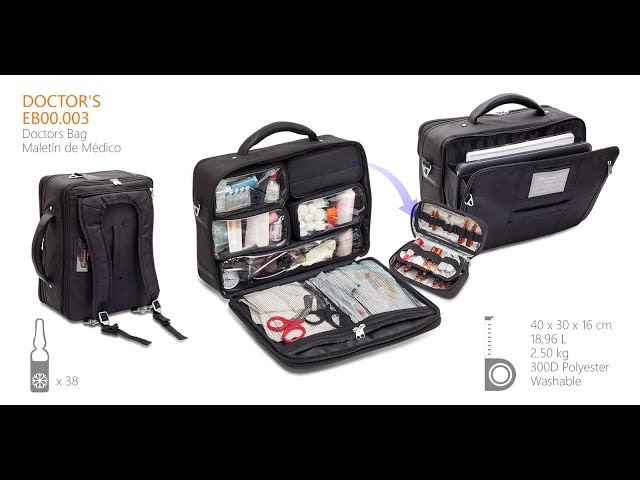
Dr Home Visit: Personalized Medical Care at Your Doorstep
A doctor’s home visit is a medical service where a healthcare provider visits a patient in their residence for diagnosis, treatment, or ongoing care. For instance, an elderly patient with limited mobility might receive regular checkups and medication management from a home visiting doctor.
Dr home visits hold great significance in providing accessible and patient-centered care. Benefits include convenience, personalized attention, reduced risk of infection (especially relevant during pandemics), and improved patient satisfaction. Historically, home visits were the primary mode of medical care, with house calls declining in the 20th century due to the rise of hospitals and clinics. However, there has been a recent resurgence in the popularity of home visits due to technological advancements and an aging population.
This article delves into the advantages of dr home visits, explores the factors driving their resurgence, and discusses the challenges and opportunities in delivering quality care in the home setting.
Dr Home Visit
Dr home visits, a form of personalized medical care, offer numerous advantages and address specific challenges in healthcare delivery. Key aspects to consider include:
- Convenience: Care provided in the comfort of the patient’s home.
- Accessibility: Ideal for patients with mobility issues or those living in remote areas.
- Patient-centered care: Tailored to individual needs and preferences.
- Reduced risk of infection: Minimizes exposure to potential pathogens.
- Improved patient satisfaction: Enhanced sense of comfort and control.
- Challenges in coordination: Requires effective communication among healthcare providers.
- Reimbursement issues: Insurance coverage may vary for home visits.
- Provider safety: Ensuring the safety of healthcare professionals during home visits.
Examples of dr home visits include routine checkups for elderly patients, post-operative care, and medication management for chronically ill individuals. These visits can help identify and address health concerns early, prevent hospitalizations, and improve overall patient outcomes. The resurgence of dr home visits aligns with the growing emphasis on patient-centered care and the need to address the challenges faced by an aging population. This article further explores these aspects, highlighting the benefits, challenges, and opportunities in delivering quality healthcare in the home setting.
Convenience
Convenience, a hallmark of dr home visits, profoundly impacts the patient experience and healthcare outcomes. This aspect of home-based care offers unique advantages and opportunities for both patients and healthcare providers.
Cause and Effect: Convenience in dr home visits directly leads to improved patient satisfaction and adherence to treatment plans. The familiar and comfortable environment of home reduces anxiety, improves communication between patients and providers, and promotes a sense of empowerment in managing one’s health.
Components: Convenience is an essential element of dr home visits, enabling healthcare to be delivered in a manner that is tailored to individual needs and preferences. It encompasses factors such as flexible scheduling, reduced waiting times, and the elimination of travel-related hassles, all of which contribute to a more positive and holistic patient experience.
Examples: The convenience of dr home visits is evident in numerous scenarios. For elderly patients with mobility challenges, home visits allow them to receive necessary medical care without the burden of traveling to a clinic or hospital. Similarly, individuals with chronic conditions can receive regular checkups and medication management in the comfort of their own homes, promoting better adherence to treatment plans and improved health outcomes.
Applications: Understanding the significance of convenience in dr home visits has practical implications for healthcare delivery. It highlights the need for healthcare systems to adopt innovative approaches to providing care in patients’ homes, leveraging technology and collaborative care models to overcome barriers and expand access to quality healthcare services.
In conclusion, convenience plays a pivotal role in the success and benefits of dr home visits. By delivering care in the comfort of patients’ homes, healthcare providers can enhance patient satisfaction, improve adherence to treatment plans, and ultimately achieve better health outcomes. Embracing the convenience aspect of dr home visits can lead to a more patient-centered and effective healthcare system.
Accessibility
Accessibility is a defining characteristic of dr home visits, making healthcare services available to individuals who face challenges in accessing traditional healthcare settings. These challenges may be related to physical limitations, geographical isolation, or a lack of transportation options.
- Home-based care: Care is provided in the patient’s residence, eliminating the need for travel and reducing the burden on patients with limited mobility or those living in remote areas.
- Tailored scheduling: Dr home visits offer flexible scheduling options, accommodating the unique needs and preferences of patients, including those with busy schedules or limited flexibility.
- Reduced waiting times: Home visits minimize or eliminate waiting times typically associated with clinic or hospital visits, improving the overall patient experience and reducing the risk of exposure to infections or other health hazards.
- Telehealth integration: Technological advancements, such as telehealth and remote monitoring systems, can be seamlessly integrated with dr home visits, expanding the range of services and enhancing accessibility for patients in remote or underserved areas.
By addressing these accessibility challenges, dr home visits play a vital role in ensuring equitable access to healthcare services for vulnerable populations. They promote timely interventions, improve patient outcomes, and contribute to a more inclusive and comprehensive healthcare system.
Patient-centered care
Patient-centered care, a cornerstone of dr home visits, involves tailoring healthcare services to the unique needs, preferences, and values of individual patients. This approach recognizes that every patient is a distinct individual with a unique set of circumstances, health conditions, and treatment goals.
Cause and Effect: Patient-centered care in dr home visits directly leads to improved patient satisfaction, adherence to treatment plans, and overall health outcomes. When patients feel heard, respected, and involved in their care, they are more likely to actively participate in their treatment, follow medical advice, and experience better health outcomes.
Components: Patient-centered care is an essential element of dr home visits, playing a vital role in the overall quality of care. It encompasses several key components, including:
Individualized care plans: Treatment plans are tailored to the patient’s specific needs, preferences, and goals, ensuring that care is relevant and meaningful to the patient’s life.Shared decision-making: Healthcare providers engage patients in discussions about their care options, ensuring that patients are informed, involved, and empowered in making decisions about their health.Respect for patient values and beliefs: Healthcare providers respect and accommodate patients’ values, beliefs, and cultural preferences, ensuring that care is delivered in a manner that is consistent with the patient’s worldview.
Examples: Patient-centered care in dr home visits manifests in various ways:
An elderly patient with heart failure may receive a home visit from a healthcare provider who conducts a comprehensive assessment, considering the patient’s home environment, social support network, and personal goals. The provider then develops a personalized care plan that includes medication management, dietary recommendations, and regular monitoring.A patient with anxiety may receive a home visit from a therapist who provides cognitive-behavioral therapy in a comfortable and familiar setting, tailoring the sessions to the patient’s specific needs and concerns.
Applications: Understanding the importance of patient-centered care in dr home visits has practical implications for healthcare delivery. It highlights the need for healthcare providers to adopt a patient-centered approach, actively listening to and addressing the concerns, preferences, and goals of their patients. By doing so, healthcare providers can improve patient satisfaction, adherence to treatment plans, and ultimately achieve better health outcomes.
In conclusion, patient-centered care is a fundamental aspect of dr home visits, leading to improved patient satisfaction, adherence to treatment plans, and overall health outcomes. By tailoring care to the unique needs and preferences of individual patients, healthcare providers can deliver more effective and meaningful care, ultimately improving the patient experience and promoting better health.
Reduced risk of infection
Dr home visits offer a reduced risk of infection compared to traditional healthcare settings, such as hospitals or clinics, where exposure to a multitude of pathogens is possible. This aspect is particularly relevant in the context of infectious disease outbreaks or pandemics, where minimizing exposure to potential pathogens is crucial for protecting vulnerable populations.
Cause and Effect:
The reduced risk of infection in dr home visits directly contributes to improved patient outcomes and overall public health. By minimizing exposure to potential pathogens, dr home visits help prevent the spread of infectious diseases and reduce the burden on healthcare systems during outbreaks.
Components:
The reduced risk of infection is an essential element of dr home visits, playing a vital role in ensuring patient safety and reducing the spread of infections. It is achieved through various components, including:
- Infection control measures: Healthcare providers adhere to strict infection control protocols during dr home visits, including hand hygiene, proper use of personal protective equipment (PPE), and thorough cleaning and disinfection of equipment.
- One-on-one care: Dr home visits involve one-on-one interactions between the healthcare provider and the patient, minimizing the risk of exposure to multiple individuals and potential pathogens.
- Home environment: The patient’s home environment is typically cleaner and more controlled compared to healthcare facilities, reducing the risk of exposure to common pathogens found in hospitals or clinics.
Examples:
The reduced risk of infection in dr home visits is evident in several real-life instances:
- During the COVID-19 pandemic, dr home visits were widely used to provide care to patients with mild to moderate symptoms, reducing the risk of exposure to the virus in hospital settings.
- For immunocompromised patients, dr home visits offer a safer alternative to in-clinic appointments, minimizing the risk of exposure to opportunistic infections.
- In rural or underserved areas, dr home visits provide access to essential healthcare services, reducing the need for patients to travel to distant healthcare facilities and potentially encounter infections.
Applications:
Understanding the reduced risk of infection in dr home visits has practical implications for healthcare delivery:
- Infection prevention: Dr home visits can be strategically deployed during infectious disease outbreaks to limit the spread of pathogens and protect vulnerable populations.
- Telehealth integration: Combining dr home visits with telehealth technologies can further minimize exposure to pathogens by enabling remote consultations and follow-up care.
- Patient satisfaction: The reduced risk of infection in dr home visits enhances patient satisfaction and confidence in the healthcare system.
In conclusion, the reduced risk of infection is a significant advantage of dr home visits, leading to improved patient outcomes and reduced spread of infectious diseases. By minimizing exposure to potential pathogens, dr home visits offer a safer alternative to traditional healthcare settings, particularly during outbreaks or for vulnerable populations. As healthcare systems continue to evolve, the role of dr home visits in infection prevention and control will likely expand, contributing to a safer and more effective healthcare delivery model.
Improved Patient Satisfaction
Cause and Effect: The connection between improved patient satisfaction and enhanced sense of comfort and control in dr home visits is bidirectional. On the one hand, the comfort and control experienced by patients during home visits directly contribute to their satisfaction with the healthcare service. On the other hand, satisfied patients are more likely to feel comfortable and in control of their healthcare experience.
Components: Enhanced sense of comfort and control is an essential element of dr home visits, playing a vital role in patient satisfaction. It encompasses several key components, including:
- Privacy and confidentiality: Patients receiving care in their own homes experience a greater sense of privacy and confidentiality compared to traditional healthcare settings.
- Tailored care: Dr home visits allow for personalized and tailored care, addressing individual needs and preferences, which enhances patient involvement and sense of control.
- Convenience: The convenience of receiving care at home eliminates travel-related hassles, reduces waiting times, and minimizes disruptions to daily routines, contributing to improved patient satisfaction.
Examples: Numerous real-life instances showcase the positive impact of enhanced comfort and control on patient satisfaction in dr home visits:
- A study conducted in the United Kingdom found that patients receiving home visits for palliative care reported higher levels of satisfaction and a greater sense of control over their care compared to those receiving care in hospitals.
- A survey conducted in the United States revealed that patients with chronic conditions who received dr home visits were more satisfied with their care and felt more involved in decision-making compared to those receiving care in clinics.
Applications: Understanding the connection between improved patient satisfaction and enhanced sense of comfort and control in dr home visits has practical implications for healthcare delivery:
- Patient-centered care: Dr home visits can be strategically employed to provide patient-centered care, empowering individuals to actively participate in their healthcare decisions and fostering a collaborative relationship with their healthcare providers.
- Reduced healthcare costs: Improved patient satisfaction and enhanced sense of control can lead to better adherence to treatment plans, potentially reducing healthcare costs associated with hospitalizations and emergency department visits.
- Telehealth integration: Combining dr home visits with telehealth technologies can further enhance patient satisfaction and sense of control by enabling remote consultations and follow-up care, particularly for patients in rural or underserved areas.
In conclusion, improved patient satisfaction and enhanced sense of comfort and control are closely intertwined in dr home visits. By providing care in the patient’s home environment, healthcare professionals can create a more comfortable and empowering experience, leading to higher levels of patient satisfaction and improved health outcomes. As healthcare systems continue to evolve, the role of dr home visits in enhancing patient satisfaction and sense of control is likely to expand, contributing to a more patient-centered and effective healthcare delivery model.
Challenges in coordination
In the context of dr home visits, effective communication among healthcare providers is paramount to ensure coordinated and comprehensive care for patients. However, several challenges hinder seamless communication, potentially compromising the quality and safety of care delivered.
- Fragmented care: Disjointed communication between healthcare providers, including primary care physicians, specialists, and home care agencies, can lead to fragmented care, where different aspects of a patient’s care are not properly coordinated.
- Lack of standardized protocols: The absence of standardized protocols for communication and information sharing among healthcare providers can result in inconsistent care, duplication of services, and potential errors.
- Technological barriers: Limited access to technology or lack of interoperability between different healthcare information systems can impede timely and efficient communication among providers, leading to delays in care or medication errors.
- Patient involvement: Ensuring effective communication with patients and their families is crucial for shared decision-making and patient engagement in their care. However, language barriers, cultural differences, or cognitive impairments can pose challenges to effective patient communication.
These challenges . . .
Translates to:
These challenges negatively impact the quality and continuity of patient care, and can lead to preventable complications and unnecessary hospitalizations. Addressing these challenges requires a coordinated approach that includes establishing standardized communication protocols, strategic use of technology, and training healthcare providers in effective communication with patients and families. Additionally, integrated care models, such as primary care teams, can play a significant role in improving coordination among healthcare providers and delivering more comprehensive care to patients.
Reimbursement issues
In the domain of healthcare, reimbursement issues related to insurance coverage for home visits pose significant challenges to the accessibility and sustainability of dr home visit services. This section delves into the intricate connection between reimbursement issues and dr home visits, examining their reciprocal effects, essential components, real-life examples, and practical applications.
Cause and Effect: Reimbursement issues directly influence the availability and scope of dr home visits. Inadequate or inconsistent coverage can discourage healthcare providers from offering home visit services, leading to reduced access for patients who rely on this mode of care. Conversely, the lack of dr home visits can exacerbate reimbursement issues, as healthcare providers may seek alternative, more lucrative avenues for service delivery.
Components: Reimbursement issues are an integral element of dr home visits, shaping their financial viability and accessibility. Key components include insurance policy variations across different regions and providers, lack of standardized payment rates, and the administrative burden associated with billing for home visits. These factors contribute to the complex landscape of reimbursement challenges faced by dr home visit providers.
Examples: Real-life instances illustrate the impact of reimbursement issues on dr home visits. In a study conducted in the United States, researchers found that Medicare reimbursement rates for home visits were significantly lower than those for office visits, leading to lower utilization of home visit services among Medicare beneficiaries. Another study in Canada revealed that variations in provincial insurance coverage policies resulted in disparities in access to dr home visits, with some regions experiencing longer wait times and limited availability of home visit providers.
Applications: Understanding the practical implications of reimbursement issues in dr home visits is crucial for policymakers, healthcare administrators, and providers. Addressing these challenges requires a multi-pronged approach, including advocating for standardized reimbursement rates, streamlining administrative processes, and exploring innovative payment models that support the delivery of dr home visits. Additionally, raising awareness among patients and families about insurance coverage options and available financial assistance programs can increase the utilization of dr home visit services.
In conclusion, reimbursement issues pose significant challenges to the accessibility and sustainability of dr home visits. By examining the cause-and-effect relationship, essential components, real-life examples, and practical applications, we gain insights into the complexities of this issue. Addressing reimbursement challenges requires collaboration among stakeholders to ensure equitable access to dr home visits and improve the overall quality of healthcare delivery.
Provider Safety
In the realm of healthcare delivery, provider safety plays a pivotal role in ensuring the well-being of healthcare professionals during home visits, directly influencing the quality and continuity of care provided to patients. This section delves into the intricate relationship between provider safety and dr home visits, exploring their reciprocal effects, essential components, real-life examples, and practical applications.
Cause and Effect:
Provider safety directly impacts the effectiveness of dr home visits. Ensuring the safety of healthcare professionals enables them to deliver care with confidence and competence, fostering a sense of trust and rapport with patients. Conversely, incidents of violence or aggression against healthcare providers during home visits can lead to psychological distress, decreased job satisfaction, and even physical injuries, potentially deterring providers from offering home visit services.
Components:
Provider safety is an integral element of dr home visits, encompassing various aspects that contribute to a secure and supportive work environment. These components include comprehensive risk assessments prior to home visits, training and education for providers on safety protocols, access to personal protective equipment (PPE), and clear guidelines for managing potentially volatile situations. Effective communication and collaboration among healthcare team members, including care coordinators and dispatchers, are also crucial for ensuring provider safety.
Examples:
Real-life instances illustrate the significance of provider safety in dr home visits. A study conducted in the United States revealed that home healthcare nurses experienced higher rates of workplace violence compared to hospital-based nurses, highlighting the need for enhanced safety measures during home visits. Another study in Australia reported that the implementation of a comprehensive safety program for home care providers resulted in a significant reduction in the incidence of violence and aggression, demonstrating the positive impact of proactive safety initiatives.
Applications:
Understanding the practical implications of provider safety in dr home visits is essential for healthcare organizations and policymakers. Implementing robust safety protocols, conducting regular risk assessments, and providing ongoing training for healthcare professionals are key strategies for ensuring provider safety. Additionally, advocating for legislative measures that protect healthcare workers from violence and aggression during home visits can create a safer environment for both providers and patients.
Conclusion:
Provider safety is paramount in the delivery of dr home visits, influencing the quality of care, provider job satisfaction, and the overall success of home-based healthcare programs. By prioritizing provider safety and implementing effective measures to address potential risks, healthcare organizations can foster a safe and supportive work environment, enabling healthcare professionals to deliver high-quality care to patients in their homes.
While provider safety remains a primary concern, challenges such as variable safety protocols across different healthcare organizations and limited resources for safety training and equipment may hinder the implementation of comprehensive safety measures. Addressing these challenges and promoting a culture of safety in dr home visits are ongoing efforts that require collaboration among healthcare stakeholders, policymakers, and professional organizations.
The broader theme of this article emphasizes the importance of ensuring provider safety as a fundamental aspect of delivering effective and sustainable dr home visit services. By safeguarding the well-being of healthcare professionals, we can enhance the quality of care for patients and promote a positive and rewarding work environment for providers.
Frequently Asked Questions about Dr Home Visit
This section addresses commonly asked questions and misconceptions regarding dr home visits, providing clear and informative answers to help readers better understand this healthcare service.
Question 1: What is a dr home visit?
A dr home visit involves a healthcare professional visiting a patient in their residence to provide medical care, treatment, or ongoing monitoring. This service allows patients to receive personalized medical attention in the comfort of their own homes.
Question 2: Who can benefit from dr home visits?
Dr home visits are particularly beneficial for individuals with limited mobility, chronic conditions, or those living in remote areas. They also provide a convenient option for patients who prefer receiving care in their familiar surroundings.
Question 3: What types of medical services can be provided during a dr home visit?
During a dr home visit, healthcare professionals can conduct checkups, administer treatments, provide medication management, offer counseling or therapy, and monitor patients’ overall health status. They can also perform minor medical procedures and coordinate care with other healthcare providers.
Question 4: Are dr home visits covered by insurance?
Insurance coverage for dr home visits varies depending on the insurance provider and policy. It is advisable to check with your insurance provider to determine the extent of coverage for home visits.
Question 5: How do I schedule a dr home visit?
To schedule a dr home visit, you can contact your healthcare provider’s office or a home healthcare agency. They will assess your needs and determine if a home visit is appropriate. The scheduling process may vary depending on the healthcare provider or agency.
Question 6: What are the advantages of receiving care through dr home visits?
Dr home visits offer several advantages, including convenience, personalized attention, reduced risk of infection, and improved patient satisfaction. They also eliminate the need for patients to travel to healthcare facilities, which can be particularly beneficial for individuals with mobility challenges or those living in remote areas.
The key insights from these FAQs emphasize the convenience, accessibility, and personalized nature of dr home visits, highlighting their suitability for individuals with specific healthcare needs or preferences. As we delve further into the topic, the following section explores the role of technology in enhancing the efficiency and effectiveness of dr home visits, enabling healthcare providers to deliver high-quality care in the comfort of patients’ homes.
Tips for Effective Dr Home Visits
This section provides practical tips and strategies for healthcare professionals to deliver high-quality care during dr home visits, ensuring a positive experience for both patients and providers.
Tip 1: Establish a Strong Patient-Provider Relationship: Build rapport and trust with patients by actively listening to their concerns, respecting their preferences, and providing clear and compassionate communication.
Tip 2: Conduct Thorough Assessments: Utilize comprehensive assessment tools to gather accurate and detailed information about the patient’s medical history, current health status, and home environment. This enables personalized care planning and timely interventions.
Tip 3: Develop a Tailored Care Plan: Collaborate with patients to develop a customized care plan that addresses their unique needs, preferences, and treatment goals. Regularly review and adjust the plan based on the patient’s progress and changing circumstances.
Tip 4: Provide Patient Education and Empowerment: Educate patients about their condition, treatment options, and self-management strategies. Empower them to take an active role in their healthcare journey by providing resources, support, and encouragement.
Tip 5: Ensure Safe Medication Management: Carefully review and reconcile medications, providing clear instructions for administration and storage. Monitor for potential drug interactions, side effects, and adherence to prescribed regimens.
Tip 6: Collaborate with Caregivers and Family Members: Involve caregivers and family members in the care process by providing guidance, support, and education. Foster open communication and collaboration to ensure continuity of care and address any concerns.
Tip 7: Utilize Technology to Enhance Care Delivery: Leverage telehealth platforms, remote monitoring devices, and electronic health records to facilitate efficient communication, real-time data sharing, and coordinated care planning among healthcare providers.
Tip 8: Continuously Evaluate and Improve: Regularly assess the effectiveness of dr home visits and seek feedback from patients and their families. Use this feedback to identify areas for improvement and make necessary adjustments to enhance the quality of care delivered.
By following these tips, healthcare professionals can deliver high-quality, patient-centered care during dr home visits, improving patient outcomes, satisfaction, and overall healthcare experiences.
These tips not only enhance the effectiveness of dr home visits but also align with the overarching theme of providing accessible, personalized, and holistic healthcare in the comfort of patients’ homes. In the concluding section, we will explore the future of dr home visits, discussing emerging trends, challenges, and opportunities in this rapidly evolving field of healthcare delivery.
Conclusion
This comprehensive exploration of “dr home visit” underscores its significance in delivering accessible, personalized, and comprehensive healthcare in the comfort of patients’ homes. Key insights highlight the advantages of dr home visits, including convenience, improved patient satisfaction, and reduced risk of infection, particularly relevant during pandemics. These visits empower patients, address specific challenges faced by vulnerable populations, and promote patient-centered care through tailored treatment plans and shared decision-making.
Two main points emerge from this article. Firstly, dr home visits offer a patient-centric approach to healthcare delivery, catering to individual needs and preferences. This approach has led to improved patient outcomes, satisfaction, and overall healthcare experiences. Secondly, technology plays a crucial role in enhancing the effectiveness of dr home visits by facilitating efficient communication, data sharing, and coordinated care planning among healthcare providers.
As we look to the future of dr home visits, it is imperative to address ongoing challenges, such as ensuring provider safety, navigating reimbursement issues, and implementing standardized protocols for effective coordination of care. These efforts require collaboration among healthcare stakeholders, policymakers, and professional organizations to create a supportive environment for dr home visit services. By embracing innovation and leveraging technology, we can expand access to high-quality care in the home setting, promoting a truly patient-centered healthcare system.