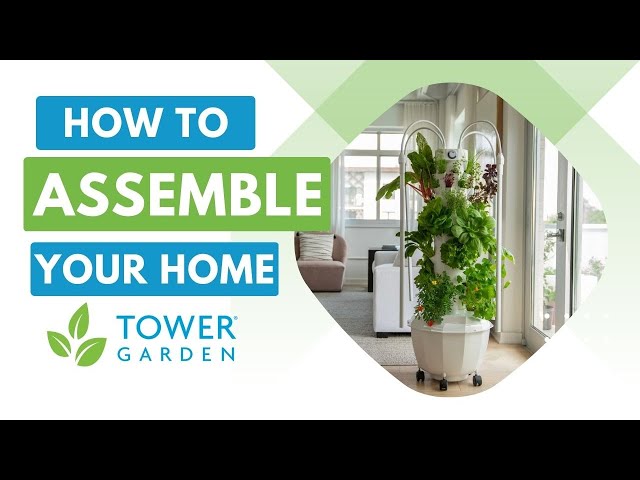
Unveiling Tower Garden Homes: A Novel Approach to Sustainable Urban Living
A tower garden home is an innovative concept that combines vertical farming techniques with modern architecture to create sustainable residential spaces. Imagine a high-rise building where each apartment features a vertical garden, allowing residents to grow their own fresh produce within their living quarters. A notable example is the Bosco Verticale in Milan, Italy, where two residential towers are adorned with over 900 trees and 20,000 plants, creating a striking urban oasis.
Tower garden homes hold immense relevance in addressing the dual challenges of population growth and food security. They offer numerous benefits, including increased access to fresh and healthy produce, reduced carbon footprint through local food production, and improved air quality due to the absorption of pollutants by the plants. A key historical development in this field was the introduction of hydroponic and aeroponic systems, which allow for efficient vertical farming without the need for soil, making tower garden homes feasible even in urban areas with limited space.
This article delves deeper into the concept of tower garden homes, exploring their significance, detailing the advantages they offer, and examining the challenges and opportunities associated with their implementation. We will also showcase inspiring examples of tower garden homes from around the world, demonstrating their potential to transform urban living and contribute to a more sustainable future.
Tower Garden Home
Tower garden homes embody a sustainable approach to urban living, integrating vertical farming with residential architecture. Understanding the essential aspects of these innovative structures is crucial for appreciating their significance and potential.
- Vertical Farming: Cultivation of crops in vertically stacked layers.
- Hydroponics/Aeroponics: Soil-less cultivation using nutrient-rich water or air.
- Food Security: Ensuring access to fresh and healthy produce within urban areas.
- Sustainability: Reduced carbon footprint through local food production and efficient resource utilization.
- Space Optimization: Efficient use of limited urban space for food production.
- Air Quality Improvement: Absorption of pollutants and release of oxygen by plants.
- Community Building: Shared gardening spaces foster social interaction and collaboration.
- Educational Opportunities: Hands-on learning about urban farming and sustainability.
- Architectural Innovation: Integration of greenery into building design, enhancing aesthetics and functionality.
- Urban Oasis: Creation of green spaces within dense urban environments.
Examples of tower garden homes, such as the Bosco Verticale in Milan and the Edible Tower in Singapore, showcase the practical implementation of these concepts. These structures not only provide residents with fresh produce and improved living environments but also serve as symbols of sustainable urban development. Integrating vertical farming into residential architecture offers a promising solution to the challenges of urbanization, food security, and environmental degradation, contributing to a greener and more sustainable future.
Vertical Farming
At the heart of tower garden homes lies the concept of vertical farming, a method of cultivating crops in vertically stacked layers. This innovative approach to agriculture maximizes space utilization and enables food production in urban environments with limited land availability.
- Growing Systems: Vertical farming utilizes various growing systems, including hydroponics (using nutrient-rich water), aeroponics (using nutrient-rich mist), and aquaponics (combining fish farming with hydroponics). These systems allow for efficient crop cultivation without the need for soil.
- Crop Selection: Vertical farming enables the cultivation of a wide variety of crops, including leafy greens, herbs, fruits, and even some root vegetables. Crops are selected based on their suitability for vertical growing systems and their market demand.
- Environmental Control: Vertical farming systems typically incorporate controlled environments, allowing for precise regulation of factors such as temperature, humidity, lighting, and nutrient delivery. This level of control optimizes crop growth and maximizes yields.
- Space Optimization: Vertical farming maximizes space utilization by stacking crops vertically, significantly increasing the crop yield per square foot compared to traditional farming methods. This compact approach makes vertical farming ideal for urban areas with limited land availability.
Vertical farming in tower garden homes offers numerous advantages, including increased food production, reduced environmental impact, and improved food security. It also promotes urban sustainability, reduces the need for long-distance food transportation, and enhances the aesthetic appeal of urban environments. As a result, vertical farming is gaining recognition as a viable solution to the challenges of urbanization and food security, particularly in densely populated areas.
Hydroponics/Aeroponics
Within the context of tower garden homes, hydroponics and aeroponics play a crucial role in enabling vertical farming without the use of soil. These systems provide crops with the necessary nutrients and moisture for growth, creating a controlled and efficient environment for food production.
- Nutrient Delivery: Hydroponic systems deliver nutrient-rich water directly to the roots of plants, while aeroponic systems spray nutrient-rich mist onto the roots. This method ensures that plants receive a consistent supply of nutrients, leading to faster growth and higher yields.
- Growing Medium: In hydroponics, plants are typically grown in an inert medium such as perlite, rockwool, or coconut fiber, which provides support and allows for efficient nutrient absorption. In aeroponics, plants are suspended in the air with their roots exposed, maximizing oxygen exposure and nutrient uptake.
- Environmental Control: Hydroponic and aeroponic systems often incorporate controlled environments, allowing for precise regulation of factors such as temperature, humidity, lighting, and pH levels. This level of control optimizes plant growth and minimizes the risk of pests and diseases.
- Water Conservation: Both hydroponics and aeroponics use significantly less water compared to traditional soil-based farming. This water conservation makes these systems particularly suitable for urban areas where water resources may be limited.
Hydroponics and aeroponics offer numerous advantages for vertical farming in tower garden homes. These systems enable efficient crop production in limited spaces, reduce the need for pesticides and herbicides, and minimize water usage. Additionally, they allow for year-round cultivation, regardless of weather conditions, making them a reliable source of fresh produce for urban residents. Overall, hydroponics and aeroponics are essential components of tower garden homes, contributing to their sustainability, efficiency, and productivity.
Food Security
Within the context of tower garden homes, food security takes center stage, addressing the crucial need for reliable access to fresh and healthy produce in urban environments. Tower garden homes empower residents to cultivate their own food, promoting self-sufficiency and reducing reliance on external food sources.
- Local and Sustainable Production: Tower garden homes enable food production within urban areas, reducing the need for long-distance transportation and promoting local and sustainable food systems. This approach minimizes the environmental impact associated with food production and distribution.
- Freshness and Quality: By growing their own food, residents of tower garden homes have access to fresher and more nutritious produce compared to store-bought options. Homegrown produce is often harvested at peak ripeness, preserving its flavor, texture, and nutritional value.
- Variety and Diversity: Tower garden homes allow residents to cultivate a wide variety of crops, including those that may not be readily available in local markets. This diversity ensures access to a balanced and nutritious diet, promoting overall health and well-being.
- Community and Education: Tower garden homes foster a sense of community among residents, encouraging collaboration and knowledge sharing related to urban farming practices. Additionally, these homes provide opportunities for education and engagement, particularly for children, fostering an appreciation for food production and sustainability.
The emphasis on food security in tower garden homes contributes to the overall sustainability and resilience of urban communities. By empowering residents to grow their own food, tower garden homes promote healthier diets, reduce the environmental impact of food production, and enhance community connectedness. These homes serve as models for sustainable urban living, demonstrating the potential to transform food systems and improve the quality of life for urban residents.
Sustainability
In the realm of tower garden homes, sustainability takes center stage, driven by the concept of reducing the carbon footprint through local food production and efficient resource utilization. This interconnectedness manifests in several ways:
- Cause and Effect: By cultivating their own food within the tower garden home, residents significantly reduce the need for long-distance transportation of food items. This reduction in food miles directly translates to a lower carbon footprint, contributing to the overall sustainability of the urban environment.
- Components: Local food production and efficient resource utilization form the very foundation of tower garden homes. These concepts are not merely add-ons but rather essential elements that define the unique character of this sustainable living model.
- Examples: Tower garden homes around the world exemplify the practical implementation of sustainability. In Singapore, the “Edible Garden City” project promotes urban farming and has resulted in a significant reduction in the city’s carbon footprint. Similarly, the “Sky Greens” project in Hong Kong showcases vertical farming techniques that minimize resource consumption and maximize crop yield.
- Applications: Understanding the principles of sustainability in tower garden homes has far-reaching implications. It guides decision-making processes related to crop selection, growing methods, and resource management. By optimizing these aspects, tower garden homes can serve as models for sustainable urban living and contribute to broader efforts to combat climate change.
In conclusion, the connection between sustainability, reduced carbon footprint, and tower garden homes is undeniable. By embracing local food production and efficient resource utilization, tower garden homes offer a glimpse into a greener and more sustainable future, where urban living and environmental consciousness coexist harmoniously.
Space Optimization
In the realm of tower garden homes, space optimization takes center stage, driven by the need to maximize food production within limited urban spaces. This concept manifests in several ways, creating a direct and impactful relationship between space optimization and tower garden homes:
Cause and Effect: Space optimization is a primary driver behind the vertical farming techniques employed in tower garden homes. By stacking crops vertically, tower garden homes enable residents to cultivate a significant amount of produce in a relatively small footprint. This efficient use of space allows for urban farming even in densely populated areas where traditional agriculture is not feasible.
Components: Space optimization is an essential element of tower garden homes, as it dictates the design, layout, and overall functionality of these structures. Vertical farming systems, compact growing techniques, and innovative architectural solutions all contribute to maximizing space utilization and optimizing food production.
Examples: The Bosco Verticale in Milan, Italy, stands as a prime example of space optimization in tower garden homes. This residential complex features two high-rise towers covered in lush vegetation, showcasing how vertical farming can transform urban landscapes and provide fresh produce to residents. Similarly, the Edible Garden City project in Singapore has transformed rooftops and vacant spaces into productive urban farms, demonstrating the practical application of space optimization in tower garden homes.
Applications: Understanding space optimization in tower garden homes has far-reaching implications for urban planning, food security, and sustainable living. By optimizing space, tower garden homes can increase food production, reduce the need for long-distance food transportation, and promote healthier diets in urban communities. Additionally, these homes serve as models for sustainable urban development, demonstrating how innovation and technology can address the challenges of urbanization and food security.
In conclusion, space optimization is a fundamental principle that shapes the design and functionality of tower garden homes. Through vertical farming techniques and innovative architectural solutions, tower garden homes maximize food production in limited urban spaces, contributing to urban sustainability, food security, and the overall well-being of urban residents.
Potential Challenges:
- High initial investment costs
- Technical expertise required for maintenance
- Potential pest and disease management issues
Broader Theme:Tower garden homes represent a promising approach to sustainable urban living, addressing the dual challenges of population growth and food security. By optimizing space and utilizing vertical farming techniques, tower garden homes offer a glimpse into a greener and more sustainable future, where urban living and environmental consciousness coexist harmoniously.
Air Quality Improvement
Within the context of tower garden homes, air quality improvement through the absorption of pollutants and release of oxygen by plants plays a crucial role in creating healthier and more sustainable living environments. This phenomenon, known as phytoremediation, offers numerous benefits and contributes to the overall well-being of urban residents.
- Oxygen Production:
Plants absorb carbon dioxide and release oxygen through photosynthesis, contributing to improved air quality and a healthier living environment for tower garden home residents. - Pollutant Absorption:
Plants have the ability to absorb various air pollutants, including particulate matter, nitrogen oxides, and volatile organic compounds (VOCs), through their leaves and roots. - Phytoremediation:
Certain plants, known as hyperaccumulators, have a remarkable ability to absorb and accumulate high levels of pollutants from the air and soil, making them effective tools for air quality improvement in urban areas. - Health Benefits:
Improved air quality in tower garden homes can lead to numerous health benefits for residents, including reduced respiratory problems, improved cardiovascular health, and enhanced overall well-being.
The air quality improvement capabilities of tower garden homes extend beyond the immediate living spaces of residents. By absorbing pollutants and releasing oxygen, these homes contribute to the overall air quality of urban areas, helping to reduce smog, improve visibility, and create a healthier environment for all.
Community Building
Within the context of tower garden homes, shared gardening spaces play a pivotal role in fostering a sense of community and encouraging social interaction among residents. These spaces provide opportunities for collaboration, knowledge sharing, and the development of meaningful relationships, contributing to the overall well-being and social fabric of the community.
- Shared Responsibility:
Residents share the responsibility of caring for and maintaining the communal garden, promoting a sense of collective ownership and shared purpose. - Knowledge Exchange:
Gardeners of varying experience levels can share their knowledge and expertise, creating an environment where individuals can learn from one another and grow together. - Social Events:
Community gardens often host social events, workshops, and gatherings, providing opportunities for residents to connect, socialize, and build lasting relationships. - Intergenerational Bonding:
Shared gardening spaces can bridge the gap between generations, as older and younger residents come together to share their love of gardening and learn from each other’s experiences.
The sense of community fostered in tower garden homes through shared gardening spaces extends beyond the immediate living environment, contributing to a more vibrant and socially connected urban fabric. These spaces serve as microcosms of sustainable living, where residents collectively work towards a common goal of cultivating fresh, healthy food, while also nurturing a sense of belonging and shared purpose.
Educational Opportunities
Within the realm of tower garden homes, educational opportunities play a pivotal role in fostering a deeper understanding of urban farming practices and sustainability principles. These homes provide a unique platform for residents to engage in hands-on learning experiences, promoting environmental awareness, food literacy, and a sense of stewardship for the natural world.
- Urban Farming Techniques: Residents learn about various urban farming methods, including hydroponics, aeroponics, and aquaponics. They gain practical experience in crop selection, planting, irrigation, and pest management, empowering them to grow their own fresh produce.
- Sustainable Living Practices: Tower garden homes serve as living laboratories for sustainable living. Residents learn about energy efficiency, water conservation, waste reduction, and responsible consumption. They explore ways to minimize their environmental impact and adopt more sustainable lifestyles.
- Food Literacy and Nutrition: Growing their own food fosters a greater appreciation for the value of fresh, healthy produce. Residents learn about the nutritional benefits of different crops and gain skills in preparing and preserving their harvest, promoting healthier dietary choices.
- Community Engagement and Collaboration: Shared gardening spaces and educational programs encourage collaboration among residents, fostering a sense of community. Residents work together to maintain the garden, share knowledge, and support each other’s learning journey, strengthening social bonds and promoting a shared commitment to sustainability.
The educational opportunities provided by tower garden homes extend beyond the immediate community, contributing to a broader understanding of urban farming and sustainability. Residents become advocates for sustainable living, inspiring others to adopt similar practices and promoting a more sustainable and food-secure future for urban communities.
Architectural Innovation
In the realm of tower garden homes, architectural innovation plays a pivotal role in harmoniously integrating greenery into building design, enhancing both aesthetics and functionality. This innovative approach to architecture goes beyond mere aesthetics, offering tangible benefits that elevate the living experience and promote sustainable urban living.
Cause and Effect: Architectural innovation directly influences the success and functionality of tower garden homes. By incorporating greenery into the building’s design, architects create spaces that foster a connection with nature, improve air quality, and provide natural insulation, reducing energy consumption. Conversely, well-designed tower garden homes showcase the beauty of vertical gardening, transforming urban landscapes and inspiring other architects to adopt sustainable design principles.
Components: Architectural innovation is an essential element of tower garden homes, as it dictates the overall design, layout, and functionality of these structures. Vertical farming systems, green facades, rooftop gardens, and indoor green spaces are all components that contribute to the unique character of tower garden homes. These elements not only enhance the aesthetics of the building but also create functional spaces for growing food, improving air quality, and promoting biodiversity.
Examples: The Bosco Verticale in Milan, Italy, stands as a prime example of architectural innovation in tower garden homes. This residential complex features two high-rise towers covered in lush vegetation, showcasing how greenery can be seamlessly integrated into urban architecture. Similarly, the “Edible Garden City” project in Singapore has transformed rooftops and vacant spaces into productive urban farms, demonstrating the practical application of architectural innovation in tower garden homes.
Applications: Understanding the principles of architectural innovation in tower garden homes has far-reaching implications for urban planning, sustainability, and the overall well-being of urban residents. By optimizing space, utilizing vertical farming techniques, and incorporating greenery into building design, tower garden homes offer a glimpse into a greener and more sustainable future, where urban living and environmental consciousness coexist harmoniously.
In conclusion, architectural innovation in tower garden homes is a powerful tool for creating sustainable and aesthetically pleasing living environments. By integrating greenery into building design, architects can improve air quality, reduce energy consumption, and foster a connection with nature. As urban populations continue to grow, tower garden homes offer a promising solution for addressing the challenges of urbanization, food security, and environmental degradation.
Urban Oasis
Within the context of tower garden homes, the creation of urban oases holds immense significance. These green spaces amidst dense urban environments offer a multitude of benefits, contributing to the overall sustainability, livability, and well-being of urban residents.
- Vertical Gardens: Tower garden homes often incorporate vertical gardens, utilizing building facades and balconies to cultivate lush greenery. These vertical gardens not only enhance the aesthetic appeal of buildings but also improve air quality, provide natural insulation, and create habitats for urban wildlife.
- Rooftop Gardens: Many tower garden homes feature rooftop gardens, transforming underutilized spaces into productive urban farms or tranquil green retreats. These rooftop gardens provide opportunities for residents to grow their own food, enjoy outdoor recreation, and escape the hustle and bustle of city life.
- Indoor Green Spaces: Tower garden homes often incorporate indoor green spaces, such as indoor vertical gardens, green walls, and atriums. These interior green spaces bring nature indoors, improving air quality, reducing stress, and creating a more inviting and healthy living environment for residents.
- Community Gardens: Shared gardening spaces within tower garden homes foster a sense of community among residents and provide opportunities for collaboration, knowledge sharing, and social interaction. These community gardens not only promote urban farming and sustainable living but also contribute to the overall social fabric of the community.
The creation of urban oases in tower garden homes has a profound impact on the overall livability and sustainability of urban environments. These green spaces provide numerous benefits, including improved air quality, reduced energy consumption, increased biodiversity, and enhanced mental and physical well-being for residents. Moreover, they serve as models for sustainable urban living, demonstrating the potential to transform dense urban landscapes into greener, healthier, and more livable spaces.
Frequently Asked Questions
This section aims to address common queries and clarify various aspects of tower garden homes, providing valuable insights into this innovative approach to sustainable urban living.
Question 1: What is a tower garden home?
A tower garden home is a residential building that incorporates vertical farming techniques and green architecture to create sustainable living spaces. These homes feature vertical gardens, rooftop gardens, and indoor green spaces, allowing residents to grow their own food and enjoy the benefits of nature within an urban setting.
Question 2: What are the benefits of living in a tower garden home?
Tower garden homes offer numerous benefits, including access to fresh and healthy produce, improved air quality, reduced energy consumption, enhanced mental and physical well-being, and a stronger sense of community. These homes promote sustainable living and provide a unique urban oasis amidst dense urban environments.
Question 3: How do tower garden homes contribute to sustainability?
Tower garden homes contribute to sustainability through various means. They reduce the need for long-distance food transportation, minimize water usage, and optimize space utilization. These homes also incorporate energy-efficient features and promote renewable energy sources, reducing their environmental impact and contributing to a more sustainable urban lifestyle.
Question 4: What are some examples of tower garden homes?
Notable examples of tower garden homes include the Bosco Verticale in Milan, Italy, the Edible Garden City project in Singapore, and the Green Building in New York City. These projects showcase the successful integration of vertical farming and green architecture, creating sustainable and aesthetically pleasing living environments.
Question 5: Are tower garden homes suitable for all climates?
Tower garden homes can be adapted to various climates through careful design and technology. Vertical farming systems can be controlled to optimize growing conditions, and architectural features such as shading and insulation can be employed to mitigate extreme temperatures. As a result, tower garden homes have the potential to be implemented in diverse climatic regions.
Question 6: What challenges do tower garden homes face?
Tower garden homes may face challenges related to initial investment costs, technical expertise for maintenance, and potential pest and disease management issues. However, these challenges can be addressed through careful planning, collaboration with experts, and the development of innovative solutions.
These FAQs provide insights into the concept, benefits, and challenges associated with tower garden homes. As we delve deeper into this topic, the next section will explore specific case studies and innovative practices that are shaping the future of sustainable urban living through tower garden homes.
Tips for Thriving in a Tower Garden Home
This section provides practical tips to help you make the most of your tower garden home experience, ensuring a sustainable and fulfilling lifestyle.
- Choose Diverse Crops: Select a variety of crops that thrive in vertical growing systems and suit your dietary preferences. Experiment with leafy greens, herbs, fruits, and even some root vegetables.
- Optimize Growing Conditions: Ensure optimal growing conditions by monitoring factors like temperature, humidity, lighting, and nutrient levels. Utilize technology and automation tools to maintain a controlled environment for your plants.
- Practice Sustainable Water Management: Conserve water by using efficient irrigation systems such as drip irrigation or aeroponics. Collect rainwater for irrigation and utilize greywater for non-edible plants.
- Implement Integrated Pest Management: Employ organic and biological pest control methods to minimize the use of pesticides and herbicides. Encourage beneficial insects and utilize companion planting techniques.
- Foster a Community Spirit: Engage with your neighbors and participate in community gardening activities. Share knowledge, resources, and experiences to create a supportive and collaborative environment.
- Educate and Inspire: Share your tower garden home experiences with others. Conduct workshops, host open houses, and engage in local sustainability initiatives to inspire others to adopt sustainable living practices.
By following these tips, you can create a thriving tower garden home, enjoying the benefits of fresh produce, improved air quality, and a stronger sense of community while contributing to a more sustainable urban environment.
These practical tips pave the way for the concluding section of our article, where we will delve into the broader implications of tower garden homes for urban sustainability and the future of food production in densely populated cities.
Conclusion
Our exploration of tower garden homes has unveiled a promising approach to sustainable urban living, offering a multitude of benefits that contribute to the well-being of residents and the environment.
Key Points:
- Sustainable Food Production: Tower garden homes empower residents to grow their own fresh produce, reducing reliance on long-distance food transportation and promoting local, sustainable food systems.
- Improved Air Quality and Well-being: The integration of greenery into building design enhances air quality, reduces energy consumption, and fosters a connection with nature, leading to improved mental and physical well-being for residents.
- Community Building and Education: Shared gardening spaces and educational programs foster a sense of community among residents, promote knowledge sharing, and raise awareness about sustainable living practices.
These key points are interconnected, demonstrating the holistic nature of tower garden homes as a sustainable living solution. By addressing food security, environmental sustainability, and community well-being, tower garden homes offer a glimpse into a greener and more livable future for urban environments.
Final Message:
As we navigate the challenges of urbanization and climate change, tower garden homes emerge as a beacon of hope, showcasing the potential for sustainable and resilient urban living. Embracing this innovative approach to architecture and agriculture can transform our cities into thriving urban oases, where residents can enjoy fresh produce, clean air, and a strong sense of community.